Residence routes for remote workers, freelancers and self-employed professionals.
Remote work has made it possible for many professionals to earn from employers and clients in one country while living in another. Some governments now offer residence routes designed for this, while others expect independent professionals to apply through freelance or self-employment permits.
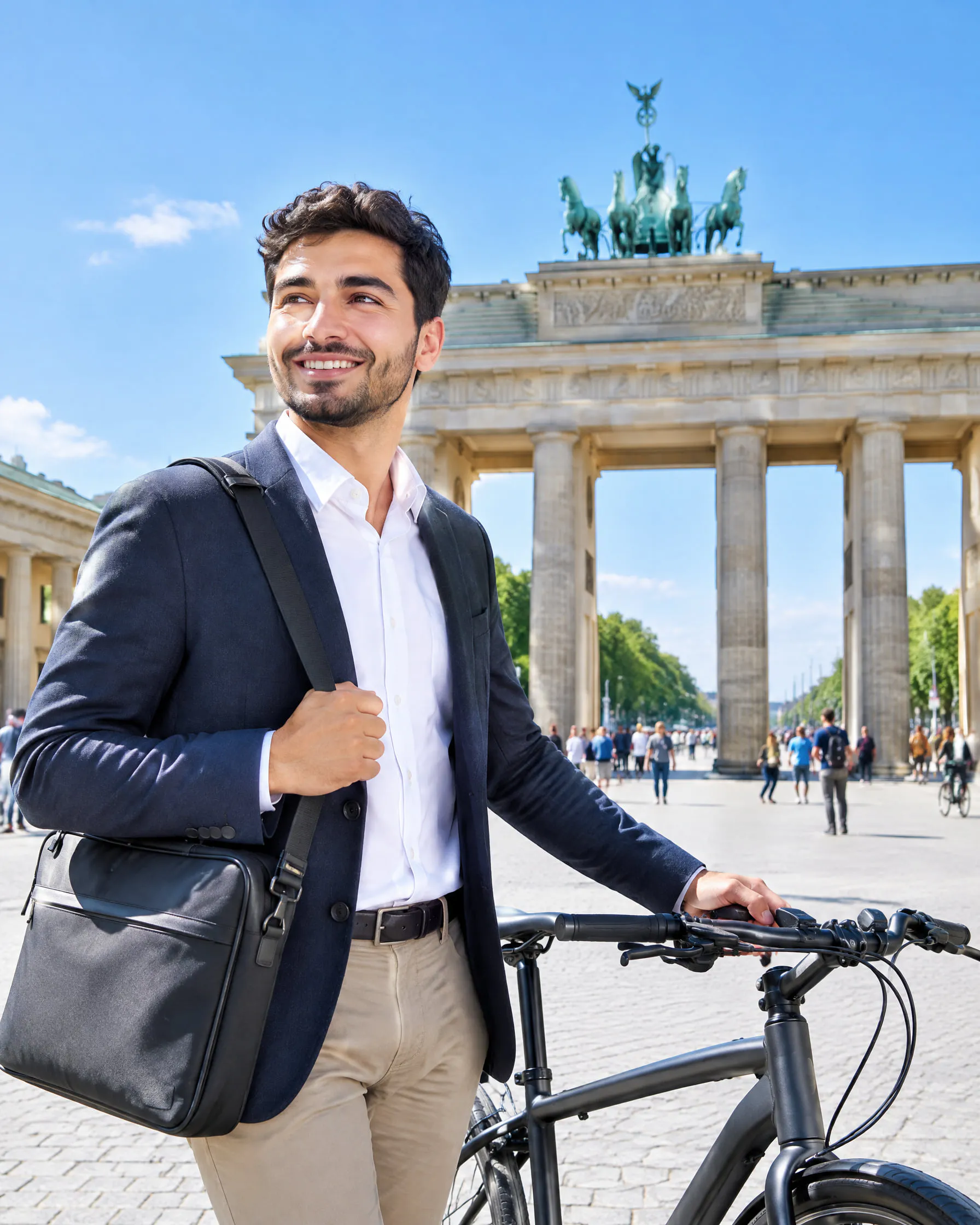
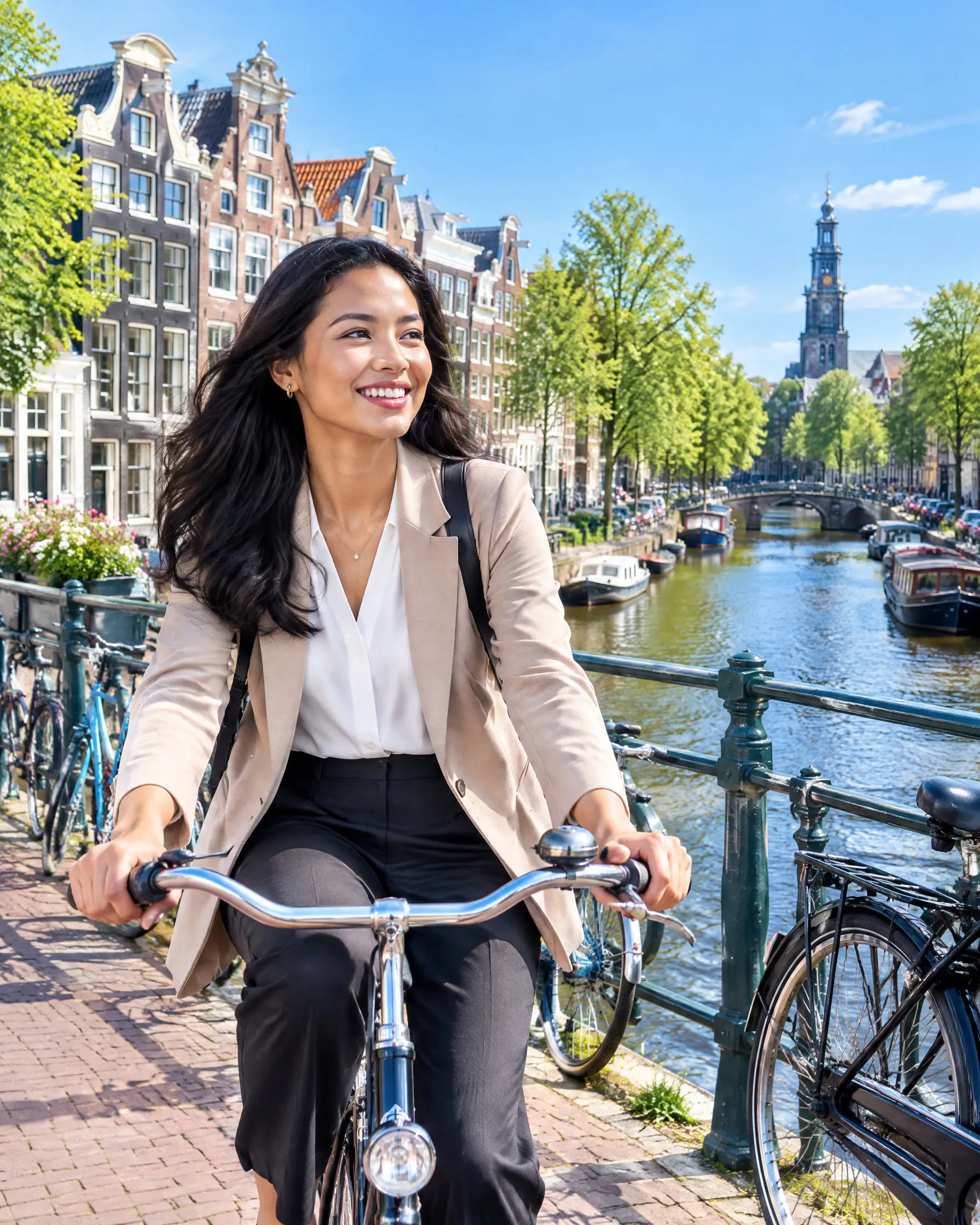
There are two broad types of route. Digital nomad or remote work visas, such as Portugal’s residence visa for remote work and Italy’s visa for digital nomads and remote workers, are for people whose employer or clients are based outside the destination country. Freelance and self-employment permits, such as Germany’s residence permit for freelancers and the Dutch residence permit for self-employed persons, are for people who plan to build their work in the country itself, often with local clients.
Many popular destinations have no dedicated digital nomad visa, including Germany, the Netherlands, France, Ireland, the United Kingdom, the United States, Canada, Australia and New Zealand. Some of them allow limited remote work during a visit, but visitor status does not lead to residence. The right route depends on where your income comes from, how stable it is, your qualifications, your family and how long you plan to stay.
At Ashford Immigration, we help you understand your options, compare routes across supported destinations and prepare the documents each one requires, from employer letters and client contracts to income records, qualification evidence and proof of accommodation.
Remote income is not the same as a right to work locally. Each route sets out what work you may do, for whom and for how long. The tax and social security consequences of moving also need separate advice before you commit.
Immigration authorities make the final decisions on all applications, and no visa, residence permit or renewal can be guaranteed.


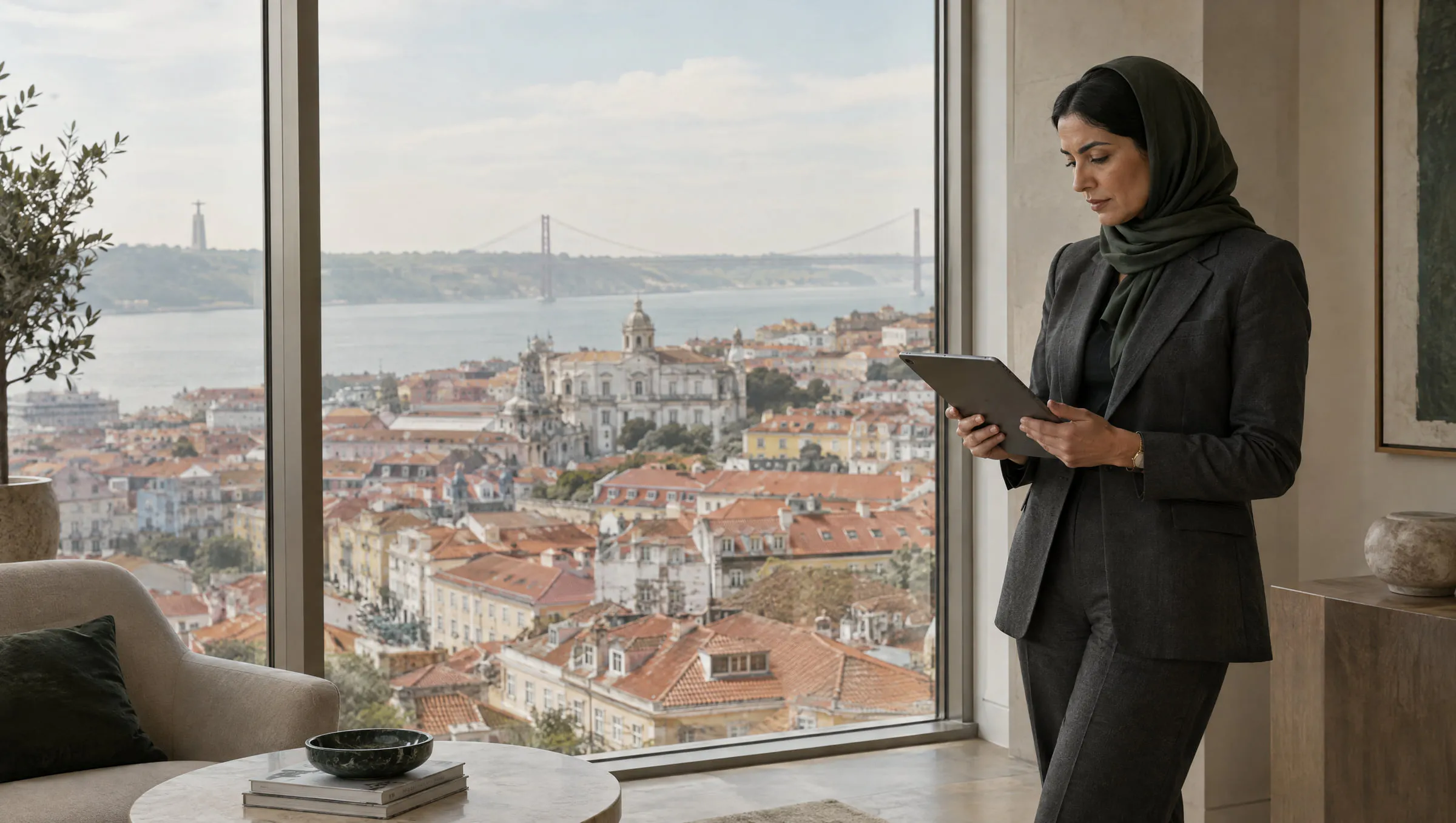

 PTPortugal